

What is Boat Race Japan? It is a unique Japanese experience where six high-speed boats compete on the water, and spectators can place small wagers starting from just 100 yen.

A Brief History of Boat Racing in Japan

Boat racing began in 1952 in Omura, Nagasaki.
It was created as part of post-war public sports, strictly regulated under the Motorboat Racing Law.
Today, there are 24 racecourses across Japan, from Tokyo to Fukuoka, and the sport attracts millions of fans each year.
How Does Boat Racing Work?

Each race has six boats competing on an oval watercourse.
- Distance: 600 meters × 3 laps (total 1,800 meters)
- Direction: Counter-clockwise
- Start: All boats accelerate together toward the starting line, aiming for a perfect timing within 0.1 seconds.
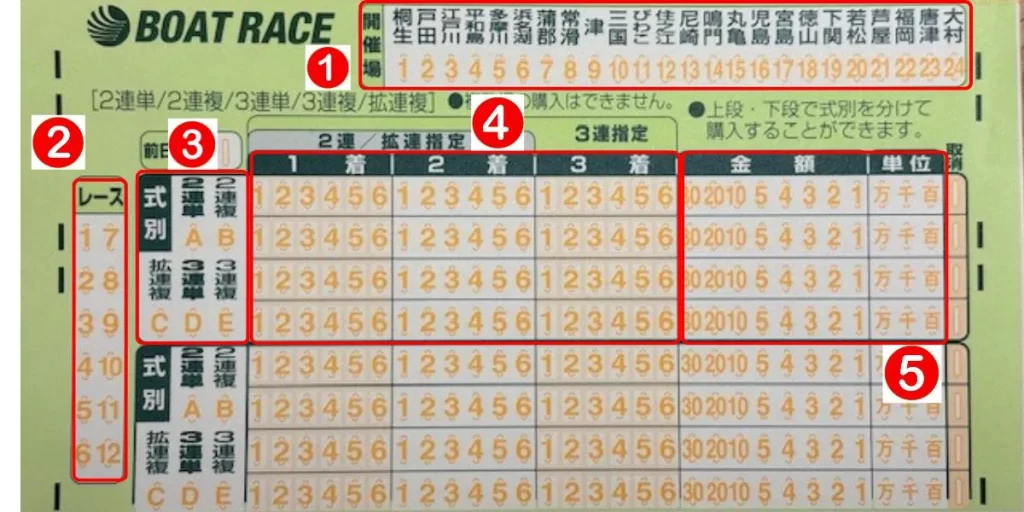
Racers are assigned their boats and motors by lottery, ensuring fairness. Spectators then try to predict the results and buy betting tickets (called funaken).
Legal Gambling and Public Sports

Unlike casinos, which are still limited in Japan, boat racing is completely legal under national law.
Revenue from bets is divided into:
- Payouts for winners
- Operating costs
- Funds returned to local governments for public projects
This system makes boat racing not just entertainment, but also a way to support the community.
Why is Boat Racing Popular?

Thrilling starts – The “flying start” within 0.1 seconds is unique in the world.
Lane advantage – Lane 1 has the highest chance to win, adding strategic depth.
Affordable betting – Just 100 yen is enough to join.
Events & night races – Many venues host festivals, concerts, and evening races under the lights.
Where Can You Experience Boat Races?
Some of the most accessible venues include:
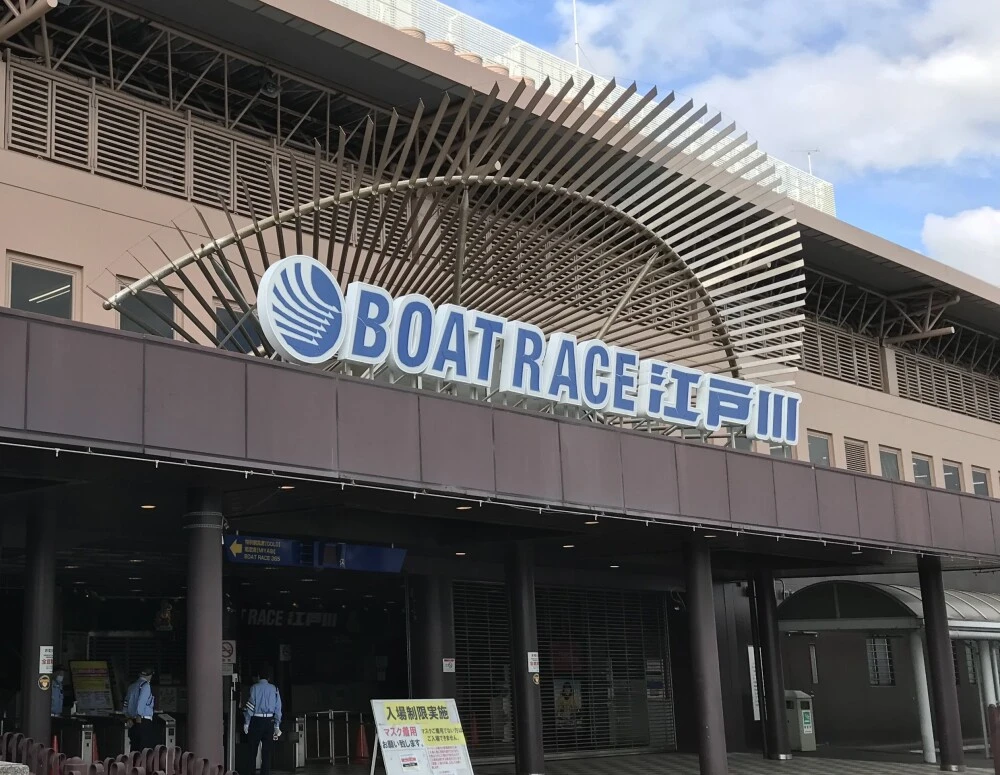
- Edogawa, Heiwajima, Tamagawa – Near central Tokyo
- Suminoe – Osaka’s night race hub
- Omura and Karatsu – Kyushu’s popular racecourses
Each racecourse also offers local food stalls, kids’ areas, and event spaces, making it fun even for non-gamblers.
↓↓ my recommendation ↓↓
Related Guides

コメント